

Slow-trolling brined herring behind a short-bus flasher and a 6–10 oz diver in the Oregon City/West Linn stretch is the most consistently productive setup for Willamette spring Chinook trolling right now. Run your gear at roughly 80–85 feet on a linecounter reel, stay in moderate depths around 16 to 20 feet of water, and keep baits fresh frequently throughout the trip. Before you push off, confirm your ODFW harvest rules and hatchery mark requirements for the lower Willamette — rules can change mid-season.
Three things to do before you launch:
- Check your Oregon fishing license, salmon tag, and any two-rod validation at ODFW before the trip
- Brine your herring or sandshrimp the night before and pack extras in a cooler
- Calibrate your linecounter reel and confirm your diver/flasher connections are solid
Key Takeaways
Willamette spring Chinook trolling rewards anglers who combine the right depth, fresh bait, and tide-timed windows — especially in the Oregon City/West Linn stretch during April and May.
| Point | Details |
|---|---|
| Prime season and location | April–May peak; Oregon City/West Linn below the falls is the most consistent stretch for trollers. |
| Starting rig | Short-bus flasher, 6–10 oz slider weight, 36–48 inch fluorocarbon leader, 4/0–5/0 octopus hook with brined herring. |
| Linecounter depth | Run gear at 80–85 feet on linecounters in 16–20 feet of water; adjust by 10-foot increments until you find the strike zone. |
| Regulations | Confirm ODFW license, salmon tag, two-rod validation, and hatchery mark rules before every trip. |
| Highclasstackleco | Terminal tackle, Pro-Cure additives, and hooks for Willamette springer rigs available at highclasstackleco.com. |
Table of Contents
- When and where do Willamette spring Chinook stack up?
- What trolling methods actually work on the Willamette?
- What rigs and bait presentations win on the Willamette?
- How do you find the right trolling speed and depth?
- Small-boat tactics for a crowded Willamette
- Shore and plunking setups for bank anglers
- What ODFW rules do you need to know before fishing?
- How do water temperature and river conditions affect the bite?
- Field-tested tips from local guides and Highclasstackleco
- Why the Willamette remains one of the West’s best spring Chinook fisheries
- Gear up with Highclasstackleco before your next springer trip
- Sources
When and where do Willamette spring Chinook stack up?
The Willamette spring Chinook run kicks off in mid-February and carries through May, with April and May delivering the most consistent trolling action; for gear that aligns with these tactics, consult the Marsh Fishing Gear guide by First Rise Outfitters. ODFW Willamette zone reports track the run in real time, and checking them weekly tells you whether fish are stacking near Kelley Point or pushing upriver toward Oregon City.
Top stretches to prioritize:
- Oregon City / West Linn (below Willamette Falls): The most reliable producer for trollers. Fish stage here waiting to push over the falls, and the current seams in 14–20 feet of water hold fish throughout the peak weeks. Guide David Johnson’s trip reports confirm consistent catches in this stretch using back-trolling divers.
- Head of Multnomah Channel / St. Johns area: A top early-morning location. Local forecasts describe short but dependable bite windows here for flashers and spinners. Fish the incoming tide and plan to be on the water before first light.
- Arch Bridge / I-205 / Lake Line: Classic hogline water. Fish stack in the deeper channel, and the fleet concentrates here during peak weeks. Spacing and etiquette matter more here than anywhere else on the river.
- Kelley Point to the Columbia confluence: Fish fresh off the Columbia push through this zone early in the season. Deeper water and heavier current mean heavier sinkers and a slightly faster troll.
Timing within the day matters as much as location. The incoming tide concentrates fish and triggers feeding. The hour before and after a tide change is often the most active window, especially at the head of Multnomah Channel. Willamette River fishing guides recommend checking Kelley Point tide tables and timing your launch to hit the incoming push.
What trolling methods actually work on the Willamette?
Not every trolling approach fits every stretch of the Willamette. Current speed, boat traffic, and fish behavior all dictate which method wins on a given day.
| Method | When to use it | Key advantage |
|---|---|---|
| Forward trolling | Slack water, channel heads, Kelley Point area | Covers water fast; good for locating fish |
| Back-trolling | Current seams, Oregon City / West Linn | Slows presentation; keeps bait in the zone longer |
| Zigzag / zigging | Hogline water, crowded passes | Changes bait angle; triggers neutral fish |
| Plunking | Shore/bank setups, slow current edges | No boat required; effective in steady current |
Back-trolling is the go-to method in the Oregon City/West Linn stretch. You motor slightly upstream against the current, letting the current work your diver and bait at a near-stationary pace. It keeps the presentation in the strike zone far longer than forward trolling. Use it when current is running 1–3 mph and fish are holding tight to bottom structure.
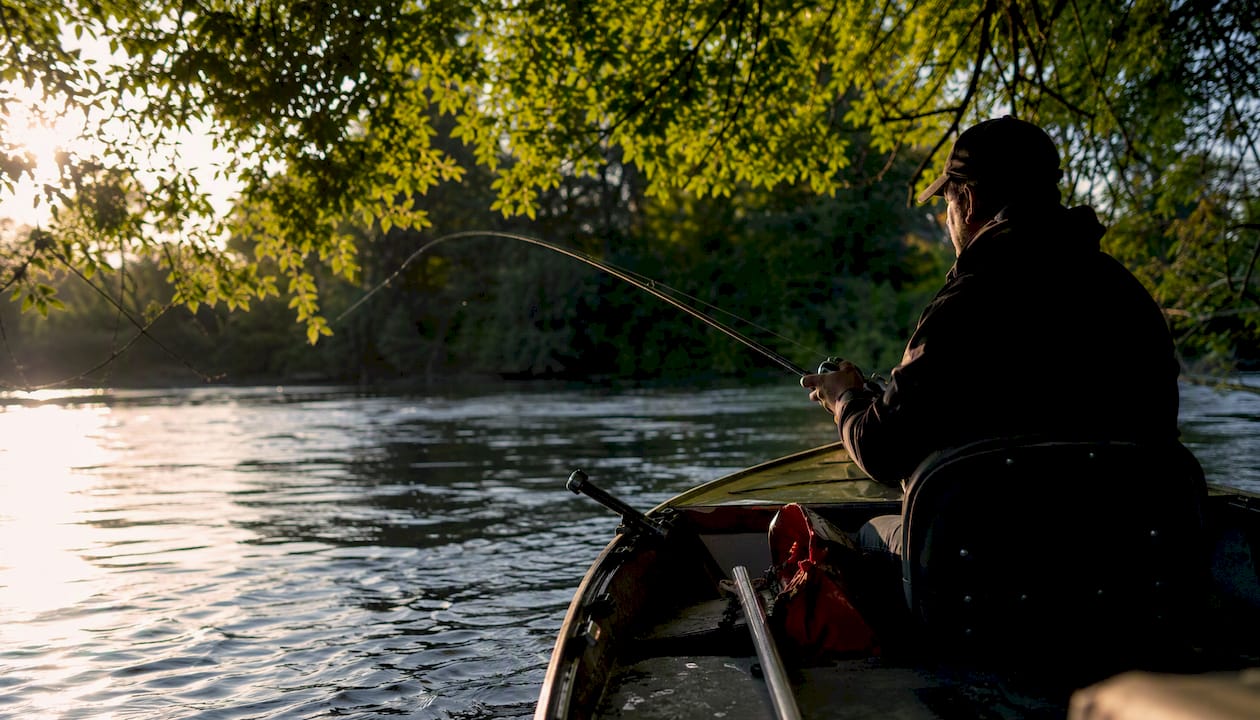
Forward trolling makes sense at the channel head and near Kelley Point, where you need to cover ground to locate fish. Run two rods at different depths to test the water column simultaneously.
Zigging is a tactical adjustment, not a standalone method. When you’re working a hogline and the bite goes cold, a sharp turn to one side changes the angle of your diver and flasher, which can trigger a strike from a fish that ignored a straight presentation.
Pro Tip: When river flow spikes above normal after rain, back-trolling becomes even more effective because the extra current does the work of slowing your presentation. On low-flow days, edge your forward troll speed up slightly to keep the flasher spinning.
What rigs and bait presentations win on the Willamette?
The right rig build separates a productive day from a frustrating one. Here’s what’s working in the lower Willamette.
Primary bait choices:
- Brined herring (cut-plug or whole): The top producer. Green-label herring in chartreuse or natural brine is the standard. Willamette guides recommend green-label sizes for spring conditions. Cut-plug herring spins naturally behind a diver and puts out maximum scent.
- Sandshrimp / prawn: Deadly when herring isn’t producing. Rig whole sandshrimp on an egg-loop hook and add a drop of Pro-Cure scent to amplify the trail.
- Salmon eggs with egg-loop: A strong secondary option, especially when fish are finicky. Use an egg-loop knot on a 4/0–5/0 octopus hook and keep eggs fresh.
Standard Willamette troll rig (build from mainline to hook):
- Mainline (20–30 lb monofilament or braid with mono leader)
- Slider with 6–10 oz dropper weight (6 oz for 14–18 ft water; 10 oz for 20+ ft)
- Short-bus flasher or 3.5-inch diver (chartreuse or chrome)
- 36–48 inch fluorocarbon leader (15–20 lb)
- 4/0–5/0 octopus hook (Gamakatsu or equivalent) with egg-loop or bait loop
Pautzke Bait field notes confirm this combo: short-bus flasher, 8–10 oz lead, and chartreuse or blue-fire brined herring or prawn spinner. For bait presentation refinements, including curing tips and hook placement, that resource covers the details.
Pre-launch rigging checklist:
- Calibrate linecounter reels and zero them before each rod goes in the water
- Check all leader knots and re-tie any that show wear or fraying
- Confirm bait is fully cured and chilled; warm bait loses scent fast
- Pack spare hooks, extra leaders, and a bait knife within reach
Pro Tip: Refresh your bait every 20–30 minutes even if you haven’t had a bite. Herring loses its spin and scent faster than most anglers realize, especially in warmer spring water. A fresh bait in the strike zone beats a perfect rig with a dead bait every time.
How do you find the right trolling speed and depth?
Speed and depth are the two variables that most anglers get wrong. On the Willamette, spring Chinook typically hold tight to the bottom or just above structure, so getting your bait into that zone is everything.
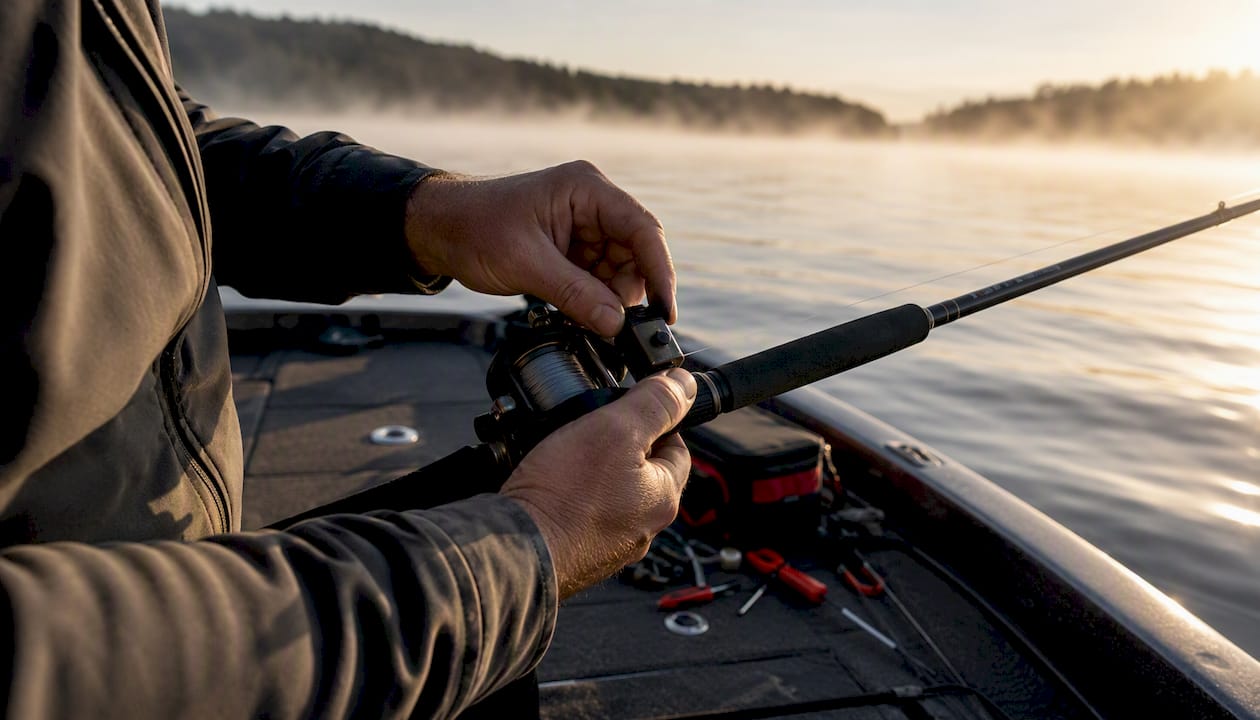
Trolling speed: Target 1.5–2.5 mph for most Willamette spring Chinook presentations. Slower is almost always better. Back-trolling naturally keeps you at the low end of that range. If your flasher isn’t spinning, you’re too slow; if the diver is planing up instead of diving, you’re too fast.
Linecounter distances and depth:
Guide David Johnson’s reports document consistent catches running gear at 80–85 feet on linecounters in 16 feet of water near Oregon City. Field guidance from Best Fishing in America recommends checking weight contact every 10–15 seconds when bouncing, switching to 10–16 oz sinkers in deeper water, and running 16–25 pulls off the bottom for deeper presentations.
How to locate the strike zone:
- Start at 60–70 feet out and work deeper in 10-foot increments until you get a pick
- Log the exact linecounter reading when a fish hits and repeat that distance on every rod
- If you’re dragging bottom (weight stops bouncing), reduce weight or shorten your line
- Keep one rod shallower than the rest to test the mid-water column, especially near shipping lanes
Small-boat tactics for a crowded Willamette
The Willamette during peak springer season is a busy river. Guide fleets, recreational boats, and hoglines all compete for the same productive water. Knowing how to work that environment safely and effectively is as important as the rig itself.
Working hoglines and fleet water:
- Slot into gaps in the hogline respectfully — watch the fleet’s direction and match it before dropping gear
- Maintain at least two boat lengths of spacing from the nearest angler on each side
- When a fish is on, communicate with neighboring boats immediately so they can clear your path
- Never cut across an active hogline; go around the outside and re-enter at the end
Back-bouncing in current seams: Position your boat just upstream of a current seam and let the river work your rig down the edge. This is most effective in the Oregon City/West Linn stretch where current breaks form along the channel walls. Keep your rod tip low and feel for the rhythmic tap of the weight on the bottom.
Salmon & Steelhead Journal field notes describe how guide fleets space their spreads and use bait refresh routines to stay productive in crowded water. Matching that discipline — fresh bait, consistent spacing, and clear communication — keeps you in the game when the bite is competitive.
Pro Tip: Assign roles before the fish hits. Decide in advance who nets, who clears lines, and who drives. A 20-pound springer in a small boat with no plan is how tangles and accidents happen.
Shore and plunking setups for bank anglers
No boat? The Willamette still gives you options. Plunking from the bank is a legitimate tactic when current conditions push fish close to shore, and several bank zones produce springers consistently through April and May.
Recommended plunking rig:
- 3–6 oz pyramid or slinky weight on a sliding sinker rig
- 18–36 inch fluorocarbon leader (15–20 lb)
- 4/0–5/0 octopus hook with egg-loop
- Bait: whole sandshrimp, brined herring chunk, or fresh salmon eggs
Best bank zones on the lower Willamette:
- Below Willamette Falls at the Oregon City/West Linn bank access points — fish stage here and current pushes them close to the bank on incoming tide
- Kelley Point Park area — fish moving off the Columbia push through this zone; incoming tide concentrates them near the bank
- St. Johns Bridge area — productive during early morning windows when fish are active near the surface
Presentation tips for shore anglers:
- Cast slightly upstream and let the bait settle into the current seam rather than straight across
- Prop your rod at a 45-degree angle and watch the tip for the distinctive tap-tap-pull of a springer
- Switch bait every 20–30 minutes, same as boat anglers — scent trail matters on the bank too
- On incoming tide, move your setup closer to the water’s edge as the tide pushes fish shallower
What ODFW rules do you need to know before fishing?
Regulations on the lower Willamette change annually and sometimes mid-season. Fishing without checking current rules is a real risk.
What to confirm before every trip:
- Oregon fishing license and salmon/steelhead tag — both required
- Two-rod validation if you plan to fish two rods simultaneously
- Hatchery mark (adipose fin clip) requirement — only adipose-clipped fish may be retained; wild fish must be released immediately
- Daily bag limits and any area-specific closures for the lower Willamette
- Check the ODFW Willamette zone report for current harvest rules and any emergency closures
Willamette River fishing guides consistently advise confirming license, harvest tag, and area restrictions before launching. The lower Willamette has specific rules tied to Columbia basin endorsements that can catch anglers off guard.
Handling and release best practices:
- Use barbless or debarbed hooks to speed up release and reduce injury
- Keep wild fish in the water at all times — never lift a wild springer by the jaw or gill
- Use a rubber-mesh net to minimize scale and slime coat damage
- Remove the hook quickly with long-nose pliers and support the fish horizontally until it swims away
- For Chinook identification to confirm hatchery vs. wild status before handling, that guide covers the key markers
Pro Tip: To reduce deep hooking, use a single barbless hook and avoid letting fish run too long before setting. A fast, firm hookset on the first solid pull keeps the hook in the corner of the mouth and makes release faster and cleaner.
How do water temperature and river conditions affect the bite?
The Willamette is a dynamic river, and conditions shift fast in spring. Understanding what drives the bite on a given day keeps you from wasting time on dead water.
Temperature and flow:
- Spring Chinook bite best when water temperatures run between 45°F and 55°F. Once surface temps push above 60°F during warm spells, fish go deep and become lethargic. Early morning fishing becomes critical during warm weeks.
- High flow after heavy rain pushes fish tight to current edges and seams. Heavier sinkers (10–16 oz) and shorter linecounter distances keep your bait in contact with the bottom in fast water.
- Low, clear water calls for longer leaders, lighter line, and a slower troll. Fish spook more easily and presentations need to be cleaner.
Tide and current effects:
- Incoming tide at Kelley Point and the head of Multnomah Channel concentrates fish and triggers feeding. Early-morning windows at Multnomah Channel are short but dependable — plan to be fishing by first light.
- The tide change itself (roughly 30 minutes before and after) often produces the sharpest action. Mark those windows on your tide chart and have fresh bait in the water.
Local hazards to know:
- Shipping lanes between Kelley Point and the St. Johns Bridge carry large commercial vessels. Stay well clear and never anchor in an active shipping lane.
- Log and debris flows increase after rain events — watch for floating debris at speed and keep a sharp eye upriver.
- Sea lion activity near the falls and Oregon City can scatter fish and steal your catch. If sea lions are working an area, move upstream or downstream a quarter mile.
Safety checklist before every launch:
- Life jackets on or within immediate reach for every person in the boat
- Kill switch clipped to your person whenever the motor is running
- Charged phone or VHF radio and a float plan left with someone onshore
- Net, pliers, and landing gear staged and ready before a fish is on
Field-tested tips from local guides and Highclasstackleco
The difference between a limit and a skunk often comes down to small habits that experienced guides treat as non-negotiable.
Bait freshness and maintenance:
- Refresh herring every 20–30 minutes regardless of bite activity. A bait that’s been in the water for an hour has lost most of its spin and scent.
- Keep sandshrimp and eggs in a small cooler with ice packs, not loose in a bucket. Warm bait deteriorates fast and produces a weak scent trail.
- Wipe your leader with a clean cloth between bait changes to remove slime, blood, and scale buildup that can kill the bait’s action.
Reducing bycatch of wild fish:
- Run barbless hooks across your entire spread. The hookup rate stays high, and wild fish release faster with less injury.
- Space your rods at different depths rather than running everything at the same linecounter distance. This reduces the chance of a wild fish taking multiple hooks simultaneously.
- If a wild springer is on, get it to the boat fast and keep it in the water during release. Every second out of the water counts.
One high-leverage trick most anglers skip: Run one rod with a different presentation than the rest of your spread. While the other rods run herring behind a flasher, put a sandshrimp on an egg-loop with no flasher on the outside rod. That contrast often triggers the most neutral fish in the school. For teaser rigging and spread setup, that guide walks through the mechanics in detail.
Pro Tip: Keep a small notebook or use your phone to log the linecounter distance, sinker weight, bait type, and tide phase every time you land a fish. After three or four trips, patterns emerge that no general guide can give you — because they’re specific to your boat, your water, and your timing.
Why the Willamette remains one of the West’s best spring Chinook fisheries
The Willamette spring Chinook fishery gets underestimated by anglers who assume the best fishing is always offshore or on the big Columbia tributaries. The truth is that the lower Willamette, from Kelley Point to below the falls, offers a genuinely world-class urban fishery for springers — one that rewards preparation and punishes complacency. ODFW data consistently shows the run producing fish through April and May, and the guide community around Oregon City and West Linn has refined tactics over decades that any recreational angler can apply. The fish are there. The methods are proven. What separates the anglers who limit from the ones who blank is almost always attention to the details covered in this guide: fresh bait, correct depth, and timing the tide. Fish this river with respect for the resource and the other anglers sharing it, and it will keep producing for years to come.
Gear up with Highclasstackleco before your next springer trip
The rigs described in this guide work best when the terminal tackle is dialed in from the start. Highclasstackleco carries the exact components you need: hooks, beads, slider components, and Pro-Cure additives for brining herring, curing eggs, and treating sandshrimp. The PRO-CURE ULTIMATE EGG CURE and PRO-CURE ULTIMATE SHRIMP CURE are built for exactly the presentations this fishery demands. Stock up on terminal tackle and components before your trip — hooks, swivels, and beads run out fast when the bite is on. Check stock and order at Highclasstackleco before your planned launch date so everything arrives in time.
Sources
- Fishing Report - Willamette Zone | Oregon Department of Fish & Wildlife
- Fishing for Willamette springers with guide David Johnson | Northwest Sportsman Magazine
- Willamette River Fishing Guides | Willamette River Fishing Reports
- Willamette River Spring Chinook Fishing Tips (2024 Update) - Best Fishing in America
- Multnomah Channel will continue to offer up some early morning action - The Guide’s Forecast
Recommended
- Salmon plug fishing rivers: Proven PNW tactics and gear – High Class Tackle Co.®
- What Is a Salmon Teaser? Rigging & Tuning Guide – High Class Tackle Co.®
- Tide Fishing Salmon Bays: The PNW Angler’s Guide – High Class Tackle Co.®
- Best Salmon Spinning Lures for PNW River Success – High Class Tackle Co.®
0 comments