

Bait presentation is the single most decisive factor in salmon fishing success. The best bait presentations for salmon fishing combine cured salmon roe, cut-plug herring, and species-matched artificial lures with precise rigging that delivers natural movement and maximum scent dispersal. Chinook, Coho, and Sockeye each respond to different triggers, so matching your bait to the species, habitat, and water conditions is what separates limits from skunks. Get the presentation right, and the fish do the rest.
1. Best bait presentations for salmon fishing: top bait types
Cured salmon roe is the premier river bait for Chinook salmon. Its potent scent and natural profile trigger strikes across a wide range of river conditions, from gin-clear tailouts to off-color runoff water. No other natural bait matches roe’s combination of visual appeal and scent output in moving water.
Whole and cut-plug herring dominate in saltwater and estuary environments. The rolling action of a cut-plug herring triggers territorial responses in both Chinook and Coho, making it the go-to bait for mooching and trolling setups. Fresh herring consistently outperforms frozen, especially when you apply a scent enhancer before each drop.
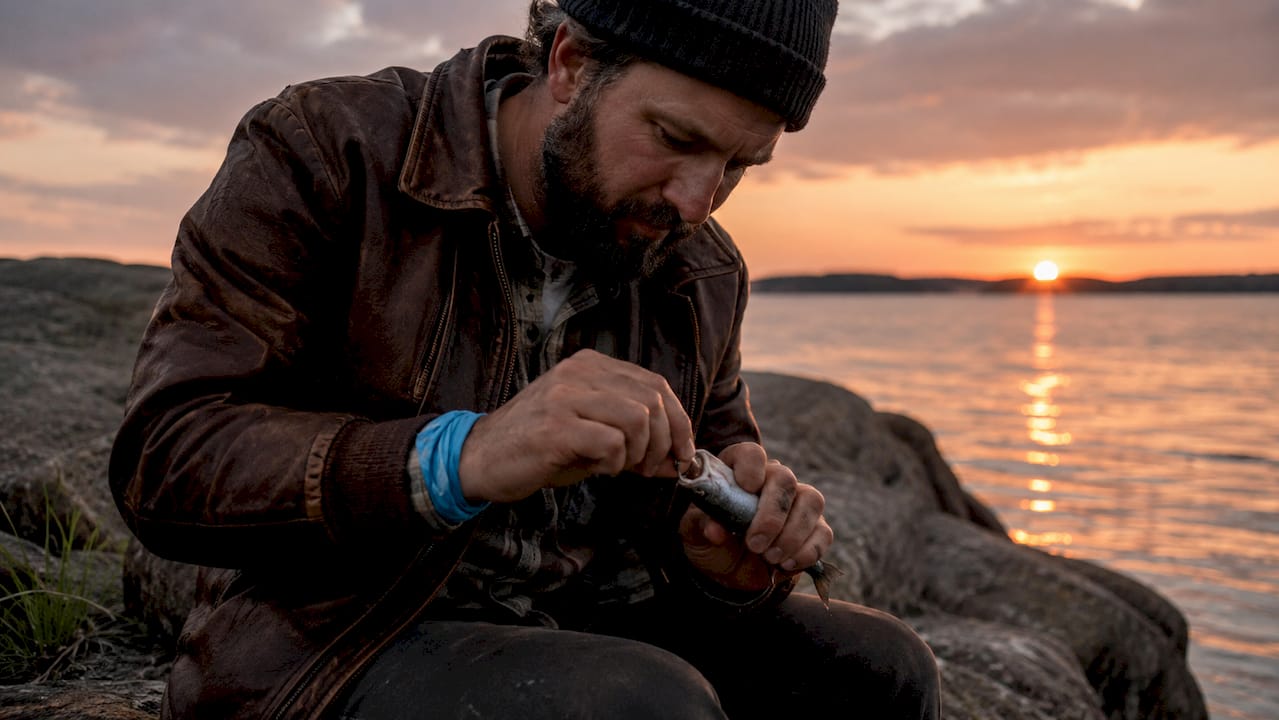
Shrimp and bait cocktails add a third dimension to your spread. Combining shrimp with roe or cured tuna belly creates a multi-scent presentation that works well in estuaries where salmon are staging before their river push. The layered scent profile covers more water and appeals to fish at different feeding stages.
Artificial lures fill the gaps when natural bait is restricted or fish are aggressive. Spinners, spoons, and twitching jigs all produce well for Coho and active Chinook, especially in faster runs and tailouts. Check out Highclasstackleco’s salmon and steelhead bait picks for a breakdown of what’s working on Pacific Northwest rivers right now.
- Cured salmon roe: Best for river Chinook; use fresh cure with borax or Pro-Cure for maximum scent hold
- Cut-plug herring: Best for mooching and trolling; angle the cut at 45 degrees for tight rolling action
- Whole herring: Best for slow mooching in deep saltwater; keep bait firm and fresh
- Shrimp and cocktails: Best for estuary staging fish; layer scents for wider appeal
- Spinners and spoons: Best for aggressive Coho in fast water; match blade size to current speed
- Twitching jigs: Best for Coho in pools and tailouts; vary retrieve speed until fish commit
Pro Tip: Freeze your own herring in spring when bait is firmest, then pull it for fall Chinook season. Freeze-thaw cycles destroy bait texture, and firm herring rolls tighter and holds hooks better.
2. How to rig bait for maximum natural action
Rigging is where most anglers leave fish on the table. The right setup puts your bait in the strike zone with natural movement and no unnatural drag that tips off a wary salmon.
Roe rigs for river fishing
Use 15–20 lb fluorocarbon leaders with 2/0–4/0 octopus hooks for standard roe presentations. Fluorocarbon disappears in clear water and resists abrasion on rocky riverbeds. Pencil lead sinkers in the 3/8 to 3/4 oz range keep your bait ticking along the bottom without pinning it in place.
Cut-plug herring setup
- Cut the head at a 45-degree angle to create the rolling action that triggers strikes.
- Insert the front hook through the top of the bait near the cut, and trail the rear hook along the body.
- Test the roll in the water beside the boat before dropping to depth. A tight, consistent spin means the rig is right.
- Apply a scent gel to the cut face before each drop to refresh the oil trail.
Weight management for drift fishing
Balancing weight in drift fishing is the most underrated skill in river salmon fishing. Too much weight pins the bait and kills the drift. Too little floats it out of the strike zone. The goal is intermittent bottom contact, where the sinker ticks the rocks every few seconds and the bait swings naturally between touches. That subtle movement is what triggers strikes.
Plug presentations
Large diving plugs like Kwikfish K14–K16 excel for Chinook when anchored or drifted backward in heavy current. Wrap the plug with a fresh sardine fillet secured with thread to add natural oils that convert followers into biters. Highclasstackleco covers this tactic in depth in their plug fishing guide for Pacific Northwest rivers.
Pro Tip: Always test your herring roll or plug action at the surface before dropping. A bait that rolls wrong at the surface rolls wrong at 60 feet. Fix it before it costs you a fish.
3. Matching bait to species and habitat
Salmon species and habitat dictate your entire presentation strategy. What works for Chinook in a big river will get ignored by Coho in a coastal stream.
Chinook in rivers
Chinook hold deep and tight to structure. Cured roe presented on a drift rig along the bottom is the most consistent producer. Large plugs with sardine wraps work well in heavy current seams where Chinook stack up. Size your bait up for big river fish. A golf-ball-sized roe cluster is not too large for a 40-pound King.
Coho in rivers and estuaries
Coho are aggressive and visual. Spinners, spoons, and twitching jigs in chartreuse, pink, and silver trigger reaction strikes in faster water. In estuaries, a whole herring on a mooching rig or a shrimp and roe cocktail fished under a float produces well for staging fish. Coho respond to movement, so vary your retrieve until you find the speed that gets them fired up.
Saltwater and estuary presentations
| Habitat | Top Bait | Rig Style |
|---|---|---|
| Open saltwater | Cut-plug herring | Mooching or trolling |
| Estuary | Whole herring or shrimp cocktail | Float rig or slow troll |
| River mainstem | Cured roe or large plug | Drift rig or back-bouncing |
| River tailout | Spinner or twitching jig | Cast and retrieve |
- In murky water, go bright: orange, chartreuse, and pink outperform natural colors when visibility drops below two feet
- In clear water, downsize and go natural: smaller roe clusters, natural herring color, and lighter leaders
- Match bait size to local forage. If the river runs smolts, fish smaller presentations
Timing matters too. Salmon feeding windows shift with seasonal fishing patterns, and understanding when fish are most active in your region gives you a real edge on the water.
4. Scent management and bait freshness
Scent is the most overlooked factor in salmon fishing. Optimizing scent dispersal dramatically improves bite rates, especially in pressured water where fish have seen every presentation in the book.
Fresh bait is non-negotiable. Firm-fleshed herring with no freezer burn rolls tighter, holds hooks better, and releases more natural oils into the water column. Many serious anglers freeze their own herring in spring for peak fall use, minimizing freeze-thaw cycles that degrade bait texture and scent output.
Applying Pro-Cure or a similar scent gel right before each drop is standard practice among professional salmon anglers. The gel refreshes the natural oil trail that current strips away, keeping your bait in the strike zone longer and attracting fish from greater distances.
Scent dispersion changes with water clarity and current speed. In fast, clear water, scent dissipates quickly, so refresh your bait or reapply gel every 10–15 minutes. In slow, murky water, a single strong-scented presentation can hold its trail for much longer. Read the water and adjust your refresh rate accordingly.
- Handle bait with clean, unscented gloves to avoid transferring sunscreen, fuel, or food odors
- Store herring and roe in sealed containers with ice to maintain freshness between drops
- Use scent-compatible cure formulas that lock in natural oils rather than masking them
- Reapply scent gel after every fish or snag, not just on a timer
Highclasstackleco breaks down the full science behind scent attractants for salmon in a dedicated guide worth reading before your next trip.
Key takeaways
The most effective salmon bait presentations combine species-matched bait, precise rigging, and active scent management to put fish in the net consistently across river, estuary, and saltwater environments.
| Point | Details |
|---|---|
| Match bait to species | Use cured roe for Chinook in rivers; cut-plug herring for saltwater Coho and Chinook. |
| Rig for natural action | Use fluorocarbon leaders, octopus hooks, and pencil lead to keep bait drifting naturally. |
| Manage scent actively | Apply Pro-Cure before each drop and refresh every 10–15 minutes in fast water. |
| Adjust for water clarity | Bright colors and strong scent in murky water; natural colors and lighter leaders in clear water. |
| Confidence drives results | Skilled, consistent presentation matched to local prey outperforms any single “magic” bait. |
What I’ve learned after years of chasing salmon
The biggest mistake I see anglers make is overthinking bait selection and underthinking presentation. You can have the freshest roe on the river, but if your drift is dragging or your weight is wrong, that bait is dead in the water. Literally.
Weight balance changed my fishing more than any bait switch ever did. Once I dialed in that light, ticking drift where the sinker barely kisses the bottom, my hookup rate jumped. Fish feel unnatural resistance and drop the bait in under a second. Give them nothing to push against.
I also stopped treating scent as an afterthought. Applying Pro-Cure before every single drop felt obsessive at first. Then I started watching the guys around me go fishless while I was landing fish on the same water. The scent trail is your long-range advertising. Don’t let it go dark.
The other thing I’d tell any angler is to combine presentations. Wrapping a plug with sardine fillet, or pairing a roe cluster with a shrimp tail, creates a multi-sensory presentation that fish find harder to ignore. Sardine-wrapped plugs on big river Chinook are one of the deadliest setups I’ve ever fished. Trust the combination.
— Nick
Gear up with Highclasstackleco
Highclasstackleco builds tackle for anglers who take their salmon fishing seriously. Whether you’re rigging roe for big river Chinook or setting up a herring mooching spread for saltwater Coho, having the right terminal components makes every presentation sharper.
Browse the full lineup of premium hooks and terminal tackle built for real-world West Coast conditions. From octopus hooks sized for roe rigs to spinner blades that fire up aggressive Coho, Highclasstackleco stocks what you need to rig with confidence. Not sure where to start? A Highclasstackleco digital gift card lets any angler pick exactly what their setup needs. Upgrade your rig and get after them.
FAQ
What is the best natural bait for Chinook salmon in rivers?
Cured salmon roe is the top natural bait for river Chinook. Rig it on a 2/0–4/0 octopus hook with a fluorocarbon leader and pencil lead sinker for a natural drift along the bottom.
How do you rig cut-plug herring for salmon?
Cut the head at a 45-degree angle, place the front hook near the cut, and trail the rear hook along the body. Test the rolling action at the surface before dropping to depth.
Does scent really make a difference in salmon fishing?
Yes. Applying a scent gel like Pro-Cure before each drop refreshes the oil trail that current strips away, attracting fish from greater distances and improving bite rates in pressured water.
What bait works best for Coho salmon?
Coho respond well to spinners, spoons, and twitching jigs in chartreuse, pink, and silver. In estuaries, whole herring or shrimp cocktails fished under a float also produce strong results for staging fish.
How does water clarity affect bait choice?
Murky water favors bright colors and strong scent. Clear water calls for natural bait colors, smaller presentations, and lighter fluorocarbon leaders to avoid spooking fish.
Recommended
- Q8 Superbait: Top Picks for Salmon and Steelhead – High Class Tackle Co.®
- Buoy 10 Fishing Guide: Salmon Season 2026 – High Class Tackle Co.®
- Salmon plug fishing rivers: Proven PNW tactics and gear – High Class Tackle Co.®
- Custom Spinner Blades for Salmon and Steelhead Success – High Class Tackle Co.®
0 comments