

If you’ve searched “skinny mini” in a fishing context, you already know the confusion. The term covers multiple slim, small-profile lure categories including slim jigs, skinny plastics, and mini spoons, and the right technique depends entirely on which one you’re throwing. This guide cuts through the noise. We’ll break down each skinny mini lure type, show you exactly how to rig and present them, and walk you through the finesse technique called moping (also known as tight lining) that consistently triggers bites when nothing else will.
Table of Contents
- Key Takeaways
- What a skinny mini actually is in fishing
- Presentation and rigging fundamentals
- Moping and tight lining with skinny mini lures
- Skinny plastics for stripers vs. freshwater bass
- Nick’s take: what actually separates the good days from the bad
- Gear up with Highclasstackleco
- FAQ
Key Takeaways
| Point | Details |
|---|---|
| Multiple lure types share the name | Skinny mini covers slim jigs, soft plastics, mini spoons, and small trolling profiles. |
| Presentation beats reaction | Imitating lethargic baitfish with subtle, vertical movements outperforms aggressive retrieves in finesse situations. |
| Moping is a proven method | Tight lining keeps your lure directly below the boat for maximum control over suspended fish. |
| Line angle kills your bite | Angled line causes the lure to swing unnaturally, reducing subtle action and triggering far fewer strikes. |
| Match plastic to environment | Saltwater and freshwater skinny plastics differ in size, color preference, and rigging weight. |
What a skinny mini actually is in fishing
Let’s get one thing straight. “Skinny mini” is a casual, descriptive phrase used across fishing forums, tackle shops, and YouTube channels. The industry doesn’t stamp it on one specific product. That matters because clarifying the exact lure type before committing to a rigging method is the difference between a productive day and a frustrating one.
Here’s a breakdown of the four main lure categories that fall under the skinny mini umbrella:
| Lure Type | Size Range | Action | Best Conditions |
|---|---|---|---|
| Slim jig (e.g., Savage Gear Slim Jig Minnow) | 2.3 to 3.3 inches | Fluttering flat fall | Mid-column to bottom, cold water |
| Skinny soft plastic | 3 to 6 inches | Gliding, natural drift | Finesse freshwater, saltwater surf |
| Mini spoon | 1/4 to 1/2 oz | Erratic wobble, flutter | Vertical jigging, ice fishing |
| Mini trolling profile | 2 to 4 inches | Swimming action | Kokanee, trout, salmon trolling |
The Savage Gear Slim Jig Minnow is a solid example of how a modern slim jig performs. It runs 2.3 to 3.3 inches, weighs between 1/3 and 7/8 oz, features a built-in steel rattle, and uses through-wire construction for durability. That fluttering flat fall action is deadly on pressured fish because it looks like something dying on the way down.
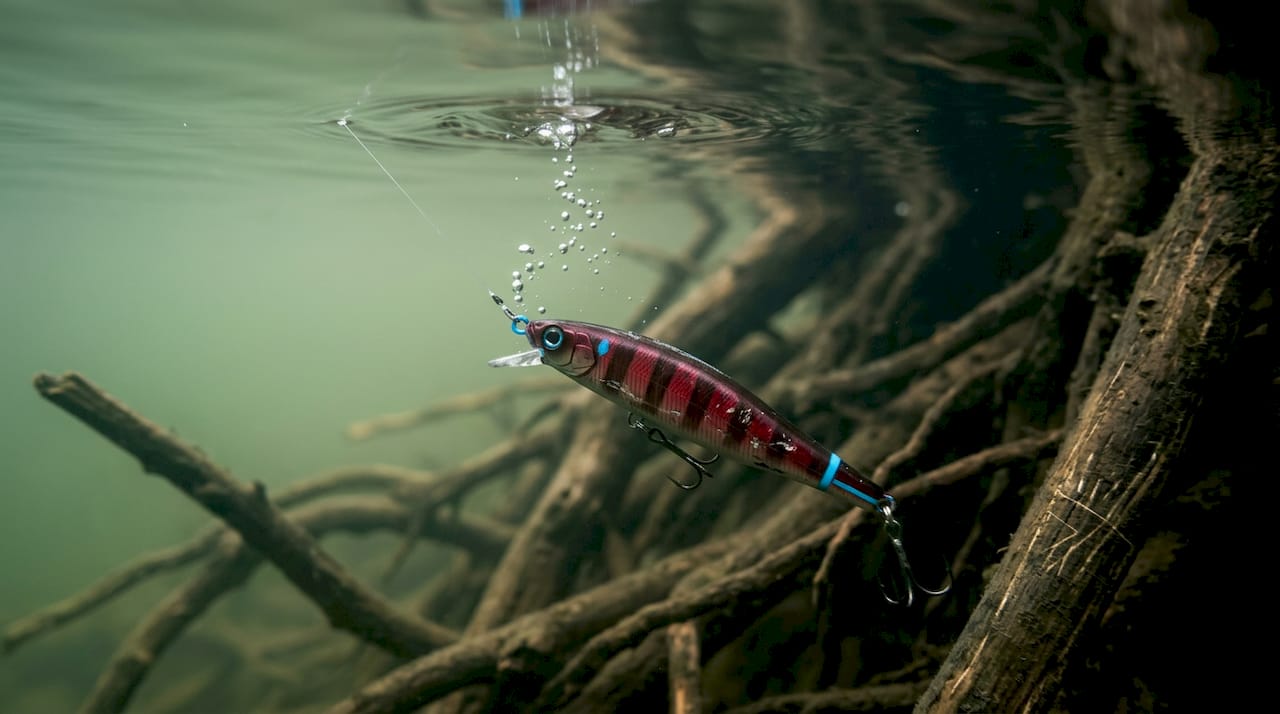
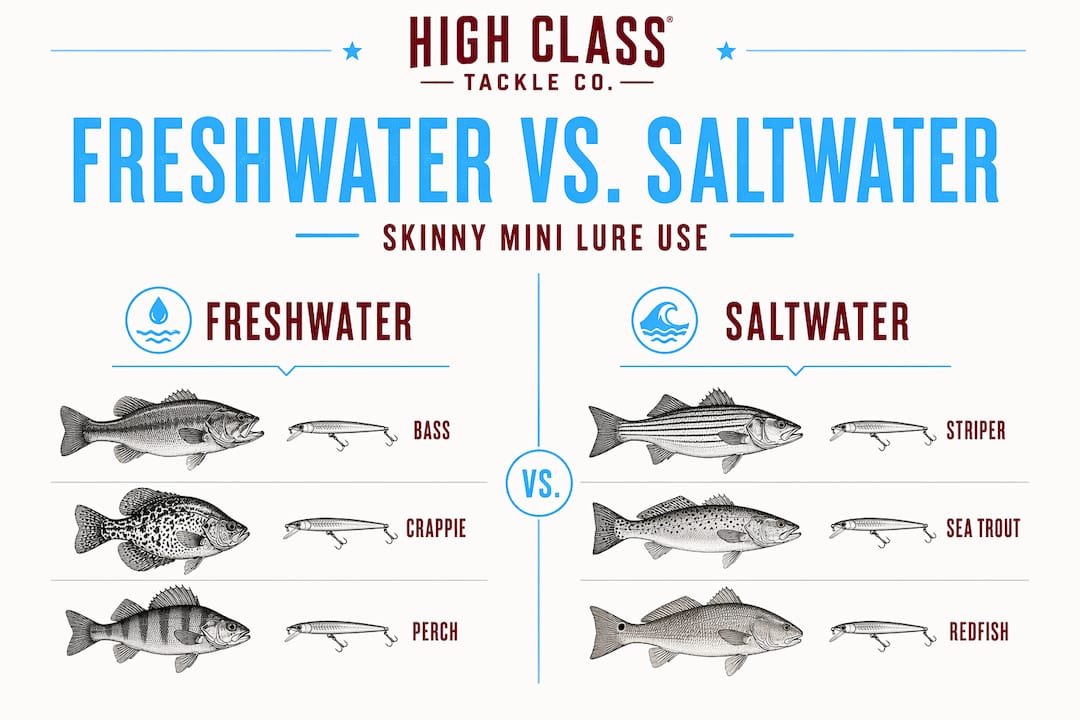
Freshwater anglers typically target bass, crappie, walleye, and perch with these profiles. Saltwater anglers go after striped bass, albies, and other coastal species. The lure category shapes everything: your rod, your line weight, your retrieve, and your hook setup.
Presentation and rigging fundamentals
Most anglers who fail with skinny mini lures aren’t throwing the wrong bait. They’re presenting it wrong. Imitating lethargic or dying bait is more effective than triggering reaction strikes when you’re working finesse-style profiles. Big, erratic movements work against you here.
Here’s what the rigging breakdown looks like across the main setups:
- Slim jigs: Use a direct tie or loop knot to a split ring. No additional weight needed. Let the lure’s built-in weight carry it down on a controlled fall.
- Skinny soft plastics (freshwater): Rig on a light jighead between 1/16 and 1/4 oz for subtle presentations, or go weightless with an offset worm hook when you want the plastic to sink slowly on its own.
- Skinny soft plastics (saltwater): Single, unweighted swimbait hooks are the standard for natural water movement in the surf. Weightless setups let the plastic breathe and glide in current.
- Mini spoons: Use a snap swivel or loop knot. Avoid fluorocarbon leaders that are too stiff; they’ll kill the spoon’s natural flutter.
One mistake that kills more fish catches than wrong color choices: line bow. When your line angles out instead of hanging vertical, your lure starts to swing rather than pulse. You lose the subtle dying-baitfish action completely.
Pro Tip: Switch to a light, thin-diameter braided mainline for finesse skinny mini presentations. It has less water resistance, reduces line bow, and lets you feel the lightest tap even in wind.
Moping and tight lining with skinny mini lures
Moping is the most specialized technique in the skinny mini toolkit, and it’s also the most misunderstood. The method was developed at Lake Of The Woods by Jeff Gustafson, and it uses vertical bait placement directly below the boat to work suspended fish with 2D sonar. It’s not lazy fishing. It’s surgical.
Here’s how to execute it correctly:
- Find suspended fish on your sonar. Moping is a targeted technique. Mark fish on your 2D graph before you drop down. Look for bass or walleye holding in a specific depth band, especially on main lake structure or over open water.
- Select your jighead weight. Jigheads typically range from 1/4 to 1/2 ounce depending on depth and wind. Heavier heads in deeper water or wind. Lighter heads in shallow, calm conditions where you want a slower fall rate.
- Drop straight down, not at an angle. Position the boat directly over the fish. Your line should be as close to 90 degrees as possible.
- Use a subtle shake, not a jerk. The Northland Tackle Smeltinator Jighead is built for this. A slight wrist shake while maintaining contact with the lure is all you need. Think “nervous minnow,” not “fleeing baitfish.”
- Control the boat with your trolling motor. Wind and current will push the boat and angle your line. Use your motor in short bursts to stay directly above your target zone.
- Watch your line, not just your rod tip. Line movement telegraphs soft bites before your rod loads up. Stay locked in.
Moping absolutely shines in cold water, during post-frontal conditions, and on heavily pressured fisheries where bass have seen every aggressive presentation possible. Targeting lethargic, suspended bass with this method is one of the most reliable ways to generate bites when the bite is otherwise dead.
Pro Tip: If you’re drifting off target and burning your trolling motor constantly, try a drift sock or anchor on slack days. Keeping that line vertical is the whole game.
Popular moping baits include the Rapala Shadow Rap Shad, Strike King Shadalicious, and any 3-inch slim minnow plastic on a light jighead. Natural colors like smokey shad, ghost, and pearl white outperform bright patterns in clear water and cold temps.
Skinny plastics for stripers vs. freshwater bass
Skinny plastics succeed where hard plugs fail because soft plastics move naturally with the water and release fish more cleanly with single hooks. But the right plastic for a January bass outing in Missouri is very different from what you’d throw at albies off the Connecticut coast in October.
Saltwater applications:
- The Albie Snax, Lunker City Fin-S Fish, and Slug-Go are proven striper and albie plastics.
- White, albino, and bone colors dominate in saltwater because they match sand eels and bay anchovies.
- Rig them weightless on a single swimbait hook. The goal is a natural, gliding sink with the current.
- In the surf, let the plastic sweep along the wash. Stripers hold in the white water and ambush from behind.
Freshwater applications:
The Highclasstackleco Crappie Killa “Lil Shad” micro jig is a perfect example of a slim profile built for vertical presentations. Small, tight, and realistic, it excels on crappie and bass in the 10 to 25 foot range when fish are stacked.
Freshwater bass fishing with skinny plastics calls for finesse jigheads in the 1/16 to 3/16 oz range. Go lighter in clear water. Darker or natural colors like green pumpkin, smoke, and shad patterns outperform chartreuse and fire tiger under most conditions.
Maintaining your plastics:
Over time, soft plastics lose their action when they dry out, get torn, or absorb scent products that stiffen the material. Rotate your plastics regularly. Store them in resealable bags with a small amount of liquid fish attractant to keep them supple. A torn tail on a Fin-S Fish might seem minor, but it completely changes the glide and the bite rate drops.
Nick’s take: what actually separates the good days from the bad
I’ve watched anglers throw perfect skinny mini setups and catch nothing for hours. The lure wasn’t the problem. Their boat position was. I can’t overstate how much presentation geometry matters in this style of fishing. The second that line angle increases past about 20 or 30 degrees, your lure stops acting like food and starts acting like a kite on a string.
What I’ve found actually works is obsessing over boat control before obsessing over lure selection. Keep the motor trimmed, watch your line constantly, and make small corrections before drift becomes a problem.
I’ve also seen anglers speed up their retrieve the moment they think fish are ignoring them. That’s almost always the wrong call with skinny minis. Slow down. The best bite I ever had moping was on a day when I was barely moving the rod at all. The fish were so sluggish that even a light shake spooked them. I let the lure hang and barely breathed. Three fish in 20 minutes.
Patience and control over your presentation will produce more skinny mini strikes than any premium lure ever will on its own.
— Nick
Gear up with Highclasstackleco
If this article has you fired up to hit the water with a slim profile, you’re in the right place. Highclasstackleco carries a growing lineup of micro soft plastics and finesse-ready tackle built for exactly the kind of presentations we covered here.
Check out the Crappie Killa micro jigs for slim-profile freshwater options that shine on vertical presentations and moping-style setups. Need to organize your whole finesse spread? The component tackle box keeps your plastics, jigheads, and terminal gear sorted and ready to deploy. Browse the full tackle lineup at Highclasstackleco and build a setup worth throwing.
FAQ
What is a skinny mini lure in fishing?
A skinny mini is a casual term for any small, slim-profile lure including slim jigs, skinny soft plastics, mini spoons, and small trolling profiles. The specific lure type determines the correct rigging and presentation method.
What is the moping or tight lining technique?
Moping keeps a skinny mini lure directly below the boat using a vertical presentation and subtle rod movement to imitate a dying baitfish. It works best on suspended, lethargic fish in cold water or high-pressure fisheries.
What jighead weight should I use for moping?
Jigheads between 1/4 and 1/2 ounce work well for most conditions. Use lighter heads in shallow or calm water and heavier heads in deeper water or wind to maintain vertical line control.
Why are skinny plastics effective for stripers?
Soft plastics move naturally with the current and match slim baitfish like sand eels, and their single-hook rigging makes releases cleaner. Brands like Albie Snax and Slug-Go rigged weightless on a swimbait hook are top producers in the surf.
How do I stop line bow ruining my finesse presentation?
Use a thin-diameter braid as your mainline and keep the boat positioned directly above your target zone. Manage boat drift with your trolling motor before the angle builds up, because once the line bows out, your lure loses its natural action.
Recommended
- Custom Spinner Blades for Salmon and Steelhead Success – High Class Tackle Co.®
- Simons Spinners: Salmon and Steelhead Fishing Guide – High Class Tackle Co.®
- Hoochie Skirts: the Angler’s Guide to More Fish – High Class Tackle Co.®
- Spinnerbait guide: boost your Pacific Northwest fishing – High Class Tackle Co.®
0 comments