

If you searched “hoochie skirts” and ended up here, you’re in exactly the right place. We’re not talking fashion. We’re talking about one of the most effective squid-imitating lures ever put on a line. Hoochie skirts are designed to mimic small squids, drawing strikes from salmon, steelhead, kokanee, muskie, and pike. Yet most anglers never learn how to rig them right, fish them at the correct speed, or match color to conditions. This guide fixes all of that.
Table of Contents
- Key Takeaways
- Hoochie skirts: types, materials, and sizes
- How to rig hoochie skirts for any species
- Techniques and tactics for fishing with hoochie skirts
- Recommended tackle and accessories
- Troubleshooting your hoochie setup
- My honest take on fishing hoochie skirts
- Gear up with Highclasstackleco
- FAQ
Key Takeaways
| Point | Details |
|---|---|
| Know your sizes | Hoochie skirts range from 3.5 to 5 inches; smaller sizes suit kokanee while larger ones target salmon. |
| Match color to conditions | Glow and UV skirts outperform standard colors in low light or stained water. |
| Nail trolling speed | Stay between 2 and 4 mph to keep the skirt moving naturally and trigger strikes. |
| Use adjustable rigs | Adjustable rigs give you depth and action control that static setups simply cannot match. |
| Stock multiple colors | Bulk packs let you swap skirts fast and adapt to changing fish moods on the water. |
Hoochie skirts: types, materials, and sizes
Walk into any well-stocked tackle shop and you will see two main styles of hoochie skirts. The squid style has a rounded head with trailing tentacle-like tails. The octopus style uses a flatter profile with broader, shorter arms. Both work, but squid-style hoochies tend to produce more action at slower trolling speeds, making them the top pick for kokanee and trout setups.
The material matters more than most anglers realize. Most hoochies are molded from soft vinyl or rubber compounds. Stiffer materials hold their shape in faster currents, while softer, more flexible vinyl produces a wilder, pulsing swim at low speeds. Over time, exposure to UV light and repeated use causes vinyl to stiffen and crack. That rigidity kills the lifelike action that gets fish fired up.
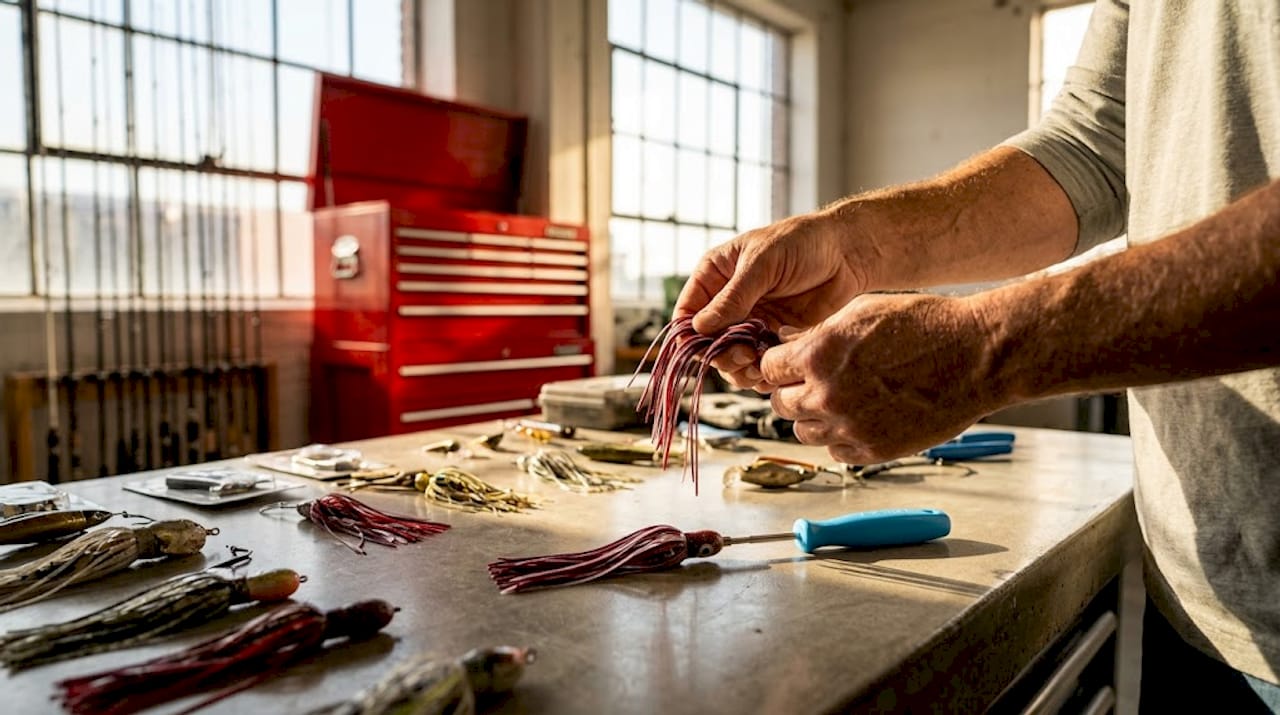
Hoochie skirts come in sizes around 3.5 to 5 inches, each tailored for specific setups and species. Here is a quick breakdown:
| Size | Best For | Trolling Application |
|---|---|---|
| 3.5 inch | Kokanee, trout, smaller salmon | Light tackle, slower speeds |
| 4 inch | Chinook salmon, coho salmon | Versatile trolling, mid-depth |
| 4.5 inch | Chinook, steelhead | Offshore, deeper water trolling |
| 5 inch | Trophy chinook, muskie | Heavy rigs, faster presentations |
Color choice is where anglers leave the most bites on the table. A few rules that hold up across Pacific Northwest waters:
- White and pearl work in clear, calm water with good light penetration.
- Green and chartreuse shine in off-color or slightly murky conditions.
- Pink and red trigger aggressive strikes during peak salmon runs.
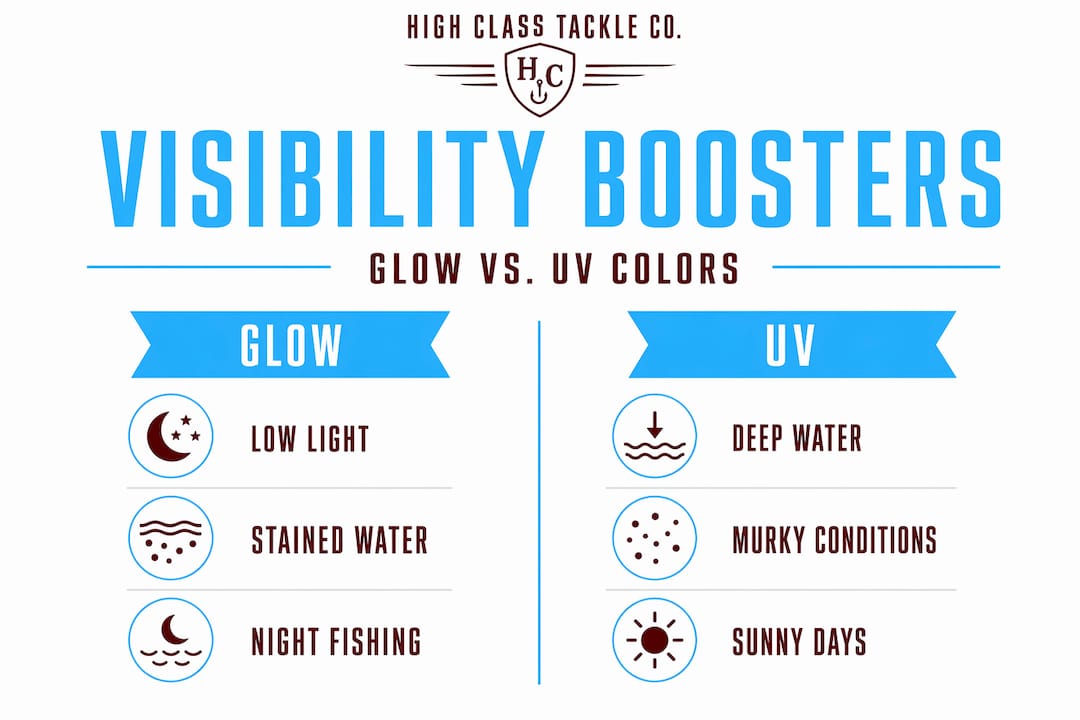
- Glow and UV patterns are your best friend at depth or in low-light windows like early morning and dusk.
Glow and UV colors boost visibility and attraction in the kind of murky or deep water that kills most lure presentations. Never leave the dock without a few of these in your box.
How to rig hoochie skirts for any species
Rigging a hoochie correctly separates the anglers filling their cooler from those telling stories about the ones that got away. Here is a step-by-step setup that works across species:
- Start with a quality swivel. Attach your mainline to a barrel or ball-bearing swivel. This prevents line twist that ruins action and snaps lighter leaders.
- Add your leader. Cut 18 to 36 inches of fluorocarbon leader material. Shorter leaders work at faster speeds; longer leaders give more natural action at slower trolling speeds.
- Thread the hoochie onto the hook assembly. Use a double hook rig for salmon and steelhead. Single hooks work well for kokanee since they tend to grab and hold.
- Position the hooks correctly. The trailing hook should sit at or just past the end of the tentacles. Too far back and you miss short-striking fish. Too far forward and you foul the action.
- Attach a flasher or dodger. Most hoochie rigs run 18 to 36 inches behind a flasher. The flasher adds flash and vibration that calls fish from a distance.
- Set your weight. Downrigger balls, snap weights, or lead trolling weights get your rig to the target zone. Match weight to depth.
Pro Tip: For kokanee specifically, add a small piece of white or pink yarn to the trailing hook. Kokanee will hold onto the yarn long enough for you to drive the hook home. It sounds simple because it is, and it works every single time.
Common rigging mistakes to avoid:
- Skipping the swivel, which creates brutal line twist during trolling
- Using monofilament leader when fluorocarbon is nearly invisible underwater
- Threading the skirt backwards so the tentacles face the wrong direction
- Setting hooks too far behind the skirt body
Techniques and tactics for fishing with hoochie skirts
Speed kills your presentation. Or saves it. Trolling speeds between 2 and 4 mph produce the best action from most hoochie skirts. Under 2 mph and the skirt goes limp and lifeless. Over 4 mph and it spins erratically, spooking fish instead of attracting them. If you do not have a GPS unit on your boat, a simple troll speed indicator is one of the best investments you can make.
Here are the tactics that consistently put fish in the net:
- S-turns during trolling. When your boat swings through a turn, the inside rod slows down and drops, while the outside rod speeds up. Both changes trigger strikes from neutral fish.
- Change depth before changing color. Most anglers swap colors first when they are not getting bit. Actually, being 10 feet off the right depth zone kills more presentations than color ever will.
- Use UV skirts on cloudy days and in green water. UV skirts remain highly visible in low-light water conditions, creating a glow-like attraction even when natural light is blocked.
- Match skirt size to forage. If you are marking small baitfish on your sonar, drop down a size. Fish key on matching what they are already eating.
- Watch water temperature. Salmon and steelhead slow down when water temps climb above 65°F. Drop your speed 0.5 mph and go deeper where cooler water sits.
Seasonal timing shapes everything. Spring kokanee setups favor smaller 3.5-inch skirts in pink or white at moderate depths. Summer chinook salmon respond to larger 4 to 5-inch skirts with glow or UV finishes run deep on downriggers. Fall coho love aggressive colors like bright green or orange run closer to the surface.
Pro Tip: When fish are marking but not biting, try stopping your boat completely for 10 to 15 seconds, then accelerating back to trolling speed. That drop and surge action mimics a fleeing squid and often snaps neutral fish into strike mode.
Recommended tackle and accessories
Building a solid hoochie setup means thinking beyond the skirt itself. The tackle around your hoochie is what makes or breaks the whole presentation. Here is what you actually need:
- Rod. A medium to medium-heavy trolling rod, 8 to 9 feet, with a moderate-fast action handles most hoochie setups. Sensitive enough to telegraph action changes; strong enough to fight big salmon.
- Reel. A level-wind trolling reel with a solid line counter keeps your rig at consistent depth across multiple passes.
- Mainline. 30 to 50-pound braid gives you zero stretch for better bite detection and direct power transfer.
- Leader. 15 to 25-pound fluorocarbon leader material. Invisible to fish and more abrasion-resistant than monofilament.
- Weights and swivels. Quality swivels and appropriate weights reduce line twist and keep your rig running true at depth. Ball-bearing swivels are worth the extra cost.
Buying hoochie skirts in bulk packs is the move. Bulk multi-color packs offer better value and flexibility so you can adapt without running out mid-trip. Grabbing a variety of the Wap pack options means you are covered from overcast mornings to bluebird afternoons.
Maintenance keeps your tackle in fighting shape. Regular inspection of hoochie rigs and skirts prevents failure and keeps your presentation dialed. After every trip, rinse skirts in fresh water to remove slime, salt, and scale residue. Store them flat or hanging to preserve their shape.
Troubleshooting your hoochie setup
Even a well-built rig stops producing. Here is how to read the signs and fix the problem fast:
- No strikes after multiple passes. Try changing depth first, then color. If that does not work, drop to a smaller skirt size.
- Skirt spinning wildly. You are going too fast or your swivel is failing. Check swivel function and drop speed.
- Line twist piling up. Your swivel is either too small, too cheap, or you are missing one. Ball-bearing swivels rated for your line weight solve this almost every time.
- Tentacles clumping together. The skirt has stiffened from UV exposure or age. Replace it. A dead-acting hoochie catches nothing.
- Hooks fouling in the skirt. Your trailing hook is set too short. Lengthen the hook gap slightly until the hook hangs just past the tentacle tips.
Creative modifications anglers run include adding scent attractants to the skirt body, threading small beads onto the leader for added flash, and trimming the tentacle length to alter swim action at specific speeds. Experiment with one variable at a time so you actually know what made the difference.
My honest take on fishing hoochie skirts
I have fished hoochies on rivers, lakes, and open saltwater, and the one thing that kept biting me early on was overthinking color. I would spend 20 minutes swapping skirts when the problem was actually running at the wrong depth by about 8 feet. Depth almost always matters more than color. Color matters more than size. Size matters more than brand. Get that order locked in and you will spend less time messing with tackle and more time fighting fish.
The other thing I have learned the hard way is that hoochie quality has a huge range. Stiff, cheap vinyl skirts produce a fraction of the bites that a soft, well-molded skirt delivers at the same speed. I have put identical rigs side-by-side with different skirt materials and watched one rod go off while the other sits dead. The action in that soft vinyl is doing real work.
If you are newer to hoochie fishing, give yourself permission to experiment without pressure. Try different sizes on the same day. Run glow on one rod and UV on another. Keep notes on what triggers strikes and in what conditions. That data you collect on your own water is worth more than any generic chart. The anglers who catch fish consistently are the ones who stay curious and keep showing up.
— Nick
Gear up with Highclasstackleco
At Highclasstackleco, we build gear for anglers who are serious about putting fish in the boat. Our lineup of hoochie skirts covers every species and condition you will face on Pacific Northwest waters. From the “MoonBow” UV packs built for low-light mornings to the “Grinch” patterns that pop in stained river water, every skirt in our collection is designed to produce real-world results. Stock your rig the right way. Grab the component tackle box to keep your hoochies, swivels, hooks, and leaders organized and ready to fish. Browse our full selection of premium hoochie skirts and tackle and find the setup that matches your water. We ship fast, we build for performance, and we are right here when you need us.
FAQ
What are hoochie skirts used for in fishing?
Hoochie skirts are soft vinyl lures that imitate small squids to attract salmon, steelhead, kokanee, muskie, and pike. They are most commonly trolled behind a flasher or dodger.
What size hoochie skirt should I use?
Sizes range from 3.5 to 5 inches depending on species. Use 3.5-inch skirts for kokanee and trout, and step up to 4 to 5-inch skirts for chinook salmon or steelhead.
What trolling speed works best with hoochie skirts?
Trolling between 2 and 4 mph keeps hoochie skirts moving naturally. Below 2 mph kills the action; above 4 mph creates erratic spinning that pushes fish away.
When should I use glow or UV hoochie skirts?
Glow and UV patterns improve visibility in low light and stained water, making them the go-to choice during early morning, evening, or overcast conditions and when fishing deeper water zones.
How do I stop line twist when trolling hoochies?
Adding quality swivels and correct weights to your hoochie rig eliminates most line twist. Ball-bearing swivels rated for your line weight perform far better than basic barrel swivels on long trolling runs.
Recommended
- Prime Time Hoochie Squid Skirts (5x PACK) 3.5" – High Class Tackle Co.®
- Spinnerbait guide: boost your Pacific Northwest fishing – High Class Tackle Co.®
- Fishing Hat Styling Outfits: Your Bold Angler Look – High Class Tackle Co.®
- Custom Spinner Blades for Salmon and Steelhead Success – High Class Tackle Co.®
0 comments