

Building a fishing tournament team is the process of assembling skilled anglers, defining clear roles, and preparing strategically to compete in regional competitions. For Pacific Northwest anglers targeting salmon, steelhead, and kokanee, that process carries real weight. The waters here are technical, the competition is serious, and the margin between a podium finish and a blank day is razor thin. This guide covers fishing team formation from the ground up, including how to pick members, assign roles, coordinate gear, and execute proven tournament strategies that hold up when the pressure is on.
How to build a fishing tournament team that actually wins
A fishing tournament team is defined by its structure, not just its headcount. Most regional formats allow teams of 2–5 anglers, and sustainable clubs anchor around a foundational leadership group of 3–5 members with formal bylaws. That structure matters because it creates accountability before you ever hit the water.
The core roles every team needs are captain, primary angler, and equipment handler. The captain makes final calls on the water. The primary angler focuses entirely on presentation and hooksets. The equipment handler manages the livewell, sonar, and terminal gear. When those roles blur, decisions slow down and fish get missed.
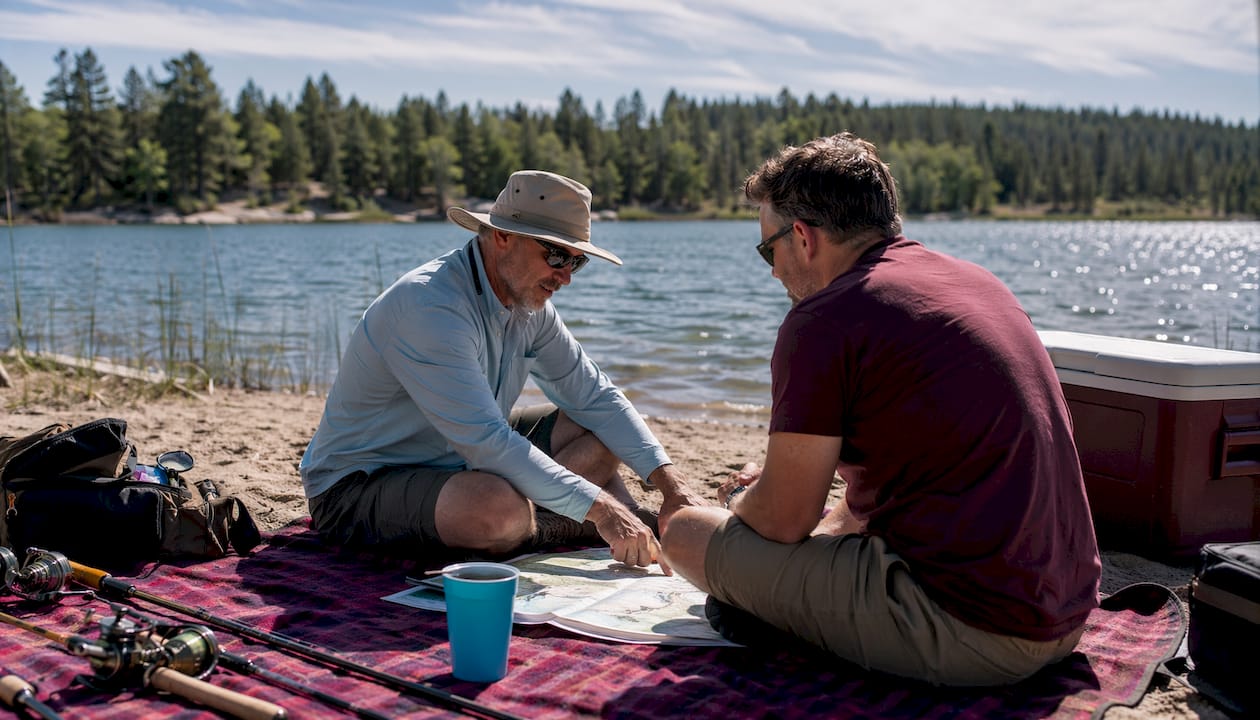
Preparation is the third pillar. Teams that show up without a pre-tournament plan spend the first two hours of competition figuring out what everyone else already knows. Strategic planning, equipment readiness, and clear communication before launch day separate contenders from participants. Learn the tournament basics and structure before your first event so your team knows exactly what it is walking into.
What are the ideal team composition and leadership roles?
The best fishing squads are built around complementary skills, not just fishing ability. You want anglers who read water differently, think in different patterns, and stay calm when the bite shuts off. A team of five identical anglers all chasing the same presentation is not a team. It is a crowd.
Establishing a captain role for final decision-making prevents analysis paralysis and maximizes fishing time during tournaments. The captain does not need to be the best caster on the boat. The captain needs to be the best decision-maker under pressure. Those are different skills, and confusing them is one of the most common mistakes new teams make.
When selecting members, prioritize these qualities:
- Experience with target species. For PNW teams, that means salmon, steelhead, or kokanee knowledge specific to local river systems and saltwater zones.
- Temperament under pressure. Tournament fishing is stressful. One reactive personality can derail an entire day.
- Willingness to take a defined role. Ego kills team performance faster than bad weather.
- Physical readiness. Long days on the water in PNW conditions require stamina.
- Communication style. Teams that talk clearly and briefly outperform teams that argue.
Pro Tip: Run at least two practice sessions together before your first tournament. You will learn more about team chemistry in four hours on the water than in four months of group chats.
How to choose and coordinate gear for your tournament crew
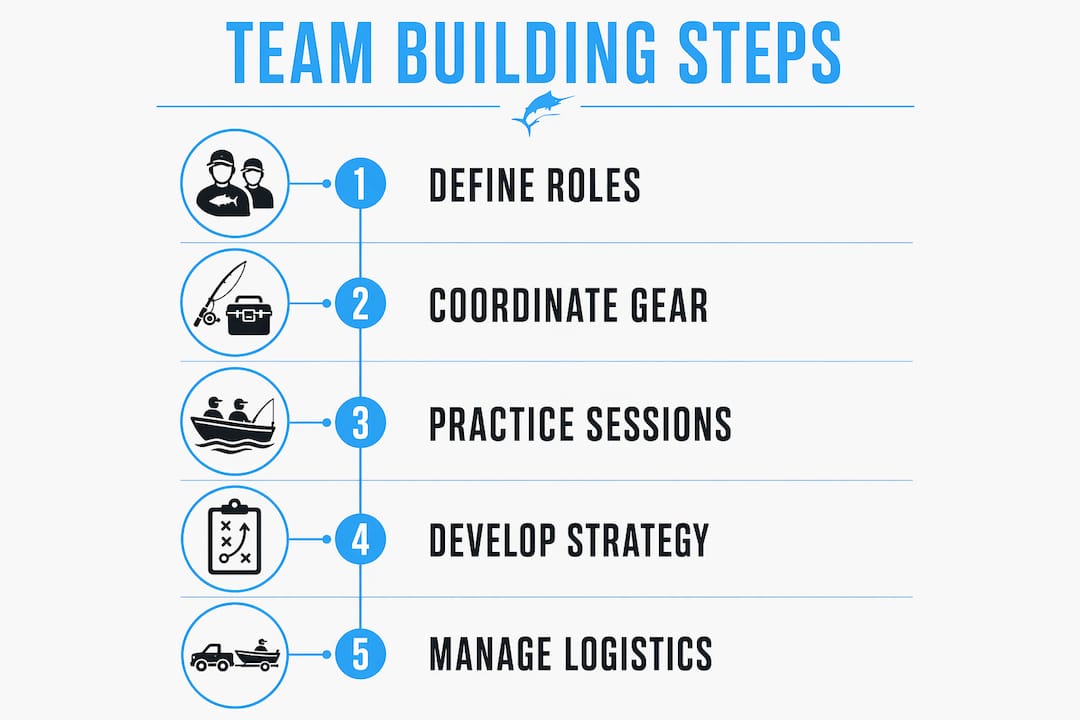
Gear coordination is where most new teams lose time and money. Every angler shows up with their own setup, half the rods duplicate each other, and nobody brought the right terminal tackle for the conditions. The fix is a shared gear inventory built around your target species and tournament format.
For Pacific Northwest tournament teams, a functional gear list covers these categories:
- Rods and reels: Medium to medium-heavy spinning and baitcasting combos rated for the target species. Steelhead teams need sensitivity. Salmon teams need backbone.
- Terminal tackle: Hooks, swivels, beads, and leader material matched to local regulations. The steelhead terminal gear checklist from Highclasstackleco covers the PNW specifics in detail.
- Flashers and attractors: Critical for kokanee and salmon trolling setups.
- Bait and scent: Salmon and steelhead bait selection directly affects hook-up rates. Do not leave this to individual preference on tournament day.
- Safety and compliance gear: Life jackets, measuring boards, and livewell aeration systems are non-negotiable.
Assign one team member to maintain the shared gear inventory. That person tracks what is used, what needs replacing, and what the team is short on before each event. Redundancy in critical items like hooks and leader material is smart. Redundancy in rods and reels just wastes budget.
| Gear Category | Team Priority | Notes |
|---|---|---|
| Terminal tackle | Critical | Stock double what you think you need |
| Flashers and attractors | High | Match to target species and depth |
| Rods and reels | High | Assign by role, not preference |
| Bait and scent | High | Standardize across the team |
| Safety equipment | Non-negotiable | Required for tournament compliance |
Pro Tip: Buy terminal tackle in bulk and split the cost across team members. You get better pricing, and everyone fishes the same proven components.
What are the best tactics for fishing tournament teams?
Expert teams treat tournaments as a pattern-matching exercise built around environmental variables, not lure choice. Beginners obsess over which bait to throw. Experienced teams obsess over where fish are holding and why. That shift in thinking is the single biggest performance upgrade a new team can make.
Here are the core tactical principles that hold up across formats:
- Run a two-boat strategy when the format allows. A two-boat approach doubles surface coverage and lets teams share real-time intelligence. One boat works a known area while the other probes new water. The team that finds fish first wins.
- Scout before the tournament opens. Pre-tournament scouting is not optional. Walk the banks, study the sonar, and talk to local guides. Aligning on information sources before launch day prevents confusion when conditions change.
- Chase patterns, not giants. Successful teams focus on repeatable fish patterns within slot limits rather than targeting rare large fish. Consistent mid-slot catches beat one big fish and a disqualification.
- Divide onboard tasks by role. Assigning sonar navigation and livewell compliance to specific team members reduces errors and keeps everyone focused. The angler should not be watching the livewell. The navigator should not be fighting fish.
- Communicate in real time, briefly. Short, clear updates between team members keep decisions fast. Long debates on the water burn fishing time.
The team that knows where the fish are before the horn sounds will always outperform the team that is still looking when everyone else is already catching. Pre-tournament intelligence is not a bonus. It is the foundation of every winning strategy.
How to handle logistics and coordination for tournament season
Tournament logistics break more teams than bad fishing does. Entry fees for local tournaments typically range from $50 to $200 per team, and that is before you factor in travel, lodging, fuel, and equipment costs. Build a full budget before your first event, not after.
A practical logistics checklist for tournament teams:
- Budget line items: Entry fees, annual dues, fuel, lodging, meals, and gear replacement fund.
- Registration: Use digital platforms to track deadlines, confirm entries, and manage team rosters.
- Scheduling: Set a fixed practice calendar at the start of the season. Teams that practice together consistently outperform teams that wing it.
- Communication: Use a group messaging app for real-time updates and a shared document for schedules and gear lists.
- Sponsorships: Local tackle shops, outdoor brands, and regional businesses often sponsor competitive teams. A clean team identity and a track record of participation make the ask easier.
Digital tools for registration and communication automate club management and reduce the administrative load on team captains. Professionalizing the team experience early, including social events and shared digital tools, improves retention across seasons. Anglers who feel organized and connected stay on the roster.
Pro Tip: Create a shared team folder with tournament rules, entry confirmations, gear checklists, and contact info for every event. One organized folder saves hours of scrambling on tournament morning.
Key Takeaways
A winning fishing tournament team is built on defined roles, coordinated gear, and a pattern-focused strategy executed before the first cast of the day.
| Point | Details |
|---|---|
| Define roles before the water | Assign captain, primary angler, and equipment handler before your first event. |
| Build around 3–5 core members | Sustainable teams anchor around a small leadership group with clear accountability. |
| Coordinate gear as a unit | Maintain a shared inventory and standardize terminal tackle across the team. |
| Scout and align pre-tournament | Pre-event intelligence and agreed-upon information sources prevent on-water confusion. |
| Budget the full season upfront | Account for entry fees, travel, gear, and dues before committing to a tournament schedule. |
What I have learned building teams on PNW water
I have watched a lot of talented anglers fail at tournament fishing. Not because they could not catch fish. Because they could not function as a team under pressure. The Pacific Northwest is unforgiving. Conditions shift fast, fish move, and a bad decision at 7:00 AM can cost you the entire day.
The biggest mistake I see is teams that skip the captain structure because everyone wants to fish equally. That sounds fair. On the water, it creates paralysis. Someone has to call the move when the bite dies. That person needs to be decided before you launch, not debated mid-river.
The second mistake is treating gear as an individual responsibility. When every angler shows up with their own setup and nobody has coordinated, you end up with four identical rods and no one running the right terminal tackle for the conditions. Standardizing your terminal tackle components as a team is one of the fastest ways to close the gap on more experienced crews.
The teams I have seen build real momentum are the ones that treat the off-season as seriously as the tournament season. They practice together, they debrief after every event, and they build relationships beyond the competition. Those relationships are what keep a team together when the results are not there yet.
— Nick
Gear up your team with Highclasstackleco
Highclasstackleco was built by anglers who compete on the same Pacific Northwest water you fish. The gear in the lineup is designed for real tournament conditions, not just catalog photos.
Whether you are outfitting a full crew or filling gaps in your terminal tackle setup, the hooks and components collection at Highclasstackleco covers the essentials for salmon, steelhead, and kokanee tournament fishing. Stock up on proven terminal gear, flashers, and bait additives built to perform when the pressure is on. Your team’s gear should be as dialed as your strategy.
FAQ
How many anglers should a fishing tournament team have?
Most regional tournament formats support teams of 2–5 anglers. Sustainable fishing clubs anchor around a leadership group of 3–5 members with defined roles and formal structure.
What roles does a fishing tournament team need?
Every competitive team needs a captain for final decisions, a primary angler focused on presentation, and an equipment handler managing sonar and livewell compliance. Clear role assignment reduces errors and improves efficiency on the water.
How much does it cost to join a fishing competition?
Entry fees for local fishing tournaments typically range from $50 to $200 per team. Full season budgets also include travel, lodging, gear, and possible annual club dues.
What is the best strategy for a fishing tournament team?
The most effective approach is pre-tournament scouting combined with a pattern-focused fishing strategy. Teams that identify repeatable fish patterns within slot limits consistently outperform teams chasing rare large catches.
How do fishing tournament teams coordinate during an event?
Successful teams assign specific onboard tasks before launch, including sonar navigation and livewell management, and use short, clear communication throughout the day. A two-boat strategy, when the format allows, doubles water coverage and improves real-time intelligence sharing.
Recommended
- Spinnerbait guide: boost your Pacific Northwest fishing – High Class Tackle Co.®
- Northwest Bait and Scent Guide for Serious Anglers – High Class Tackle Co.®
- Steelhead Terminal Gear Checklist for PNW Anglers – High Class Tackle Co.®
- Salmon plug fishing rivers: Proven PNW tactics and gear – High Class Tackle Co.®
0 comments