

Weekend fishing trip packing is the process of selecting essential, lightweight gear and supplies that maximize your comfort and effectiveness during short fishing outings. Pack too much and you spend half your morning untangling gear. Pack too little and a broken hook ends your day early. The sweet spot is a minimal, targeted kit built around your specific water type, whether that’s a calm lake, a coastal pier, or a fast-moving river. This guide cuts through the noise and tells you exactly what to bring, how to carry it, and how to keep it ready for next weekend.
What essential fishing gear should you pack for a weekend trip?
The best fishing trip essentials list is a short one. Limit yourself to one rod and one spinning reel for any trip under three days. That single constraint forces you to choose the right setup for your target species before you leave the driveway, which is exactly where that decision belongs.
Your tackle box should be small enough to fit in a daypack. Fill it with a handful of hooks in two or three sizes, a few sinkers, two or three proven lures, and a spare spool of line. Add a pair of needle-nose pliers and a line cutter. Those two tools handle 90% of on-water problems, from removing hooks to trimming knots.
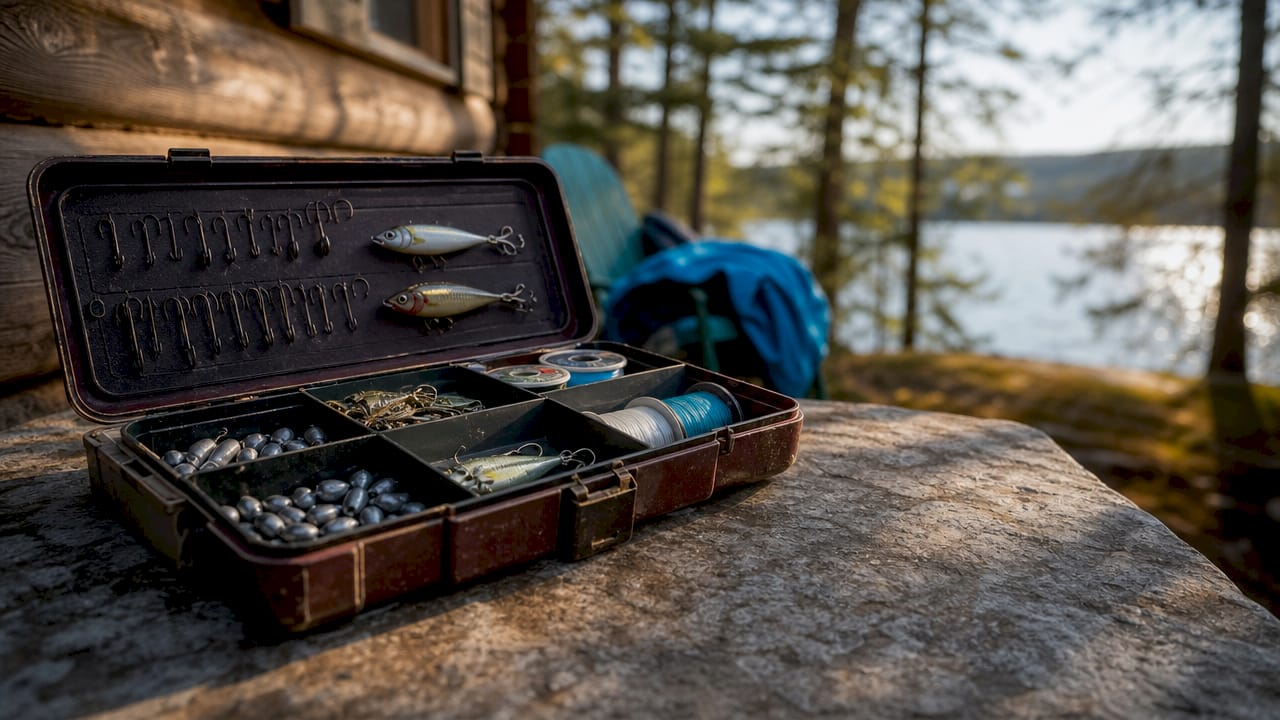
Pro Tip: Match your lure selection to the water type before you pack. River anglers targeting steelhead benefit from custom spinner blades and beads, while lake anglers can rely on a simple jig and soft plastic combo. Bringing the wrong lures wastes space and catches nothing.
A sealed portable power bank and a waterproof phone case belong in every kit. Electronics need waterproof protection to stay functional throughout the trip. A dead phone in a remote location is a safety problem, not just an inconvenience.
| Gear Item | Why It Matters |
|---|---|
| One rod and spinning reel | Keeps setup fast and pack weight low |
| Small tackle box with hooks, sinkers, lures | Covers most freshwater and coastal situations |
| Needle-nose pliers and line cutter | Handles hook removal and knot trimming on the water |
| Spare fishing line | Replaces a snapped line without ending your day |
| Waterproof phone case and power bank | Protects communication and navigation devices |
| First-aid kit | Handles cuts, hook punctures, and minor injuries |
How should you pack clothing for different fishing conditions?
Clothing is where most weekend anglers overpack. The right system uses three layers and takes up less space than a single bulky jacket. Start with a moisture-wicking base layer that pulls sweat away from your skin. Add a mid-layer fleece for cold mornings. Top it with a lightweight shell that blocks wind and light rain.
Breathable, lightweight fabrics with sun protection are the standard for fishing apparel. UV-rated shirts and pants protect you during long hours on the water without the weight of sunscreen reapplication every two hours. Check out the angler’s style guide from Highclasstackleco for a breakdown of functional fishing apparel by environment.
Footwear depends entirely on your water type. Wading boots with felt or rubber soles grip slippery river rocks. Trail shoes work for bank fishing on dry terrain. Sandals are fine for pier or dock fishing in warm weather. Moisture-wicking socks and a spare dry pair prevent the kind of cold, wet discomfort that cuts a trip short.
Pro Tip: A wide-brim hat does double duty. It blocks UV rays and reduces glare on the water, which helps you spot fish. Pair it with polarized sunglasses and SPF lip balm. Those three items together cover most of your sun protection needs without adding any real weight to your pack.
Key apparel and comfort items for your packing list:
- UV-rated long-sleeve shirt
- Lightweight fleece mid-layer
- Waterproof shell jacket
- Moisture-wicking base layer pants
- Wading boots, trail shoes, or sandals (based on terrain)
- Moisture-wicking socks plus one spare dry pair
- Wide-brim hat or bold fishing hat
- Polarized sunglasses
- SPF lip balm and sunscreen
What safety and food supplies should you bring?
Safety gear is non-negotiable on any fishing trip, regardless of how close you are to civilization. A compact first-aid kit covers the most common fishing injuries: hook punctures, cuts from line or rocks, and minor burns from sun exposure. Pack antiseptic wipes, adhesive bandages in two sizes, and medical tape. That covers 95% of field situations.
Duct tape is a critical emergency repair item that most anglers overlook until they need it. It fixes broken rod guides, patches torn waders, and seals leaks in small watercraft. One small roll weighs almost nothing and has saved more than a few trips from ending early.
Insect repellent belongs in every pack. Mosquitoes and biting flies are not just annoying. They drive anglers off productive water. Use a DEET-based formula for heavy bug pressure or a picaridin formula if you prefer a lighter feel on skin.
Food and water are simple: pack more water than you think you need and less food than you think you want. Lightweight, easy-to-eat snacks like trail mix, jerky, and energy bars keep your energy stable without requiring a cooler. An insulated water bottle or sports bottle handles hydration for a full day on the water.
Essential safety and food supplies:
- Compact first-aid kit (antiseptic, bandages, medical tape)
- Insect repellent (DEET or picaridin formula)
- One small roll of duct tape
- Sunscreen (SPF 30 or higher)
- Insulated water bottle or sports bottle
- High-calorie snacks (trail mix, jerky, energy bars)
- Waterproof bag or dry bag for licenses and documents
- Fully charged portable power bank
How do you organize and carry your gear efficiently?
Organization determines how fast you fish. Small, compact tackle boxes with structured compartments let you grab exactly what you need without dumping everything on the bank. The Highclasstackleco component tackle box is built for this exact purpose, with modular sections that keep hooks, beads, and terminal gear separated and accessible.
Dry bags and waterproof pouches protect your licenses, phone, and power bank from splashes and rain. Keep these in an outer pocket of your main pack so you can reach them without unpacking everything. Your tackle box goes in the main compartment, rod case straps to the outside.
| Carry Option | Best For | Trade-off |
|---|---|---|
| Small tackle backpack | Full-day bank or wade fishing | Slightly more bulk than a sling |
| Sling pack or chest pack | Wading and moving water | Less total storage capacity |
| Soft-sided tackle bag | Boat or pier fishing | Not ideal for hiking to remote spots |
| Dry bag | Electronics and documents | No compartments for tackle |
Pack heaviest items closest to your back and lightest items toward the outside. This keeps your center of gravity stable when you’re moving over uneven terrain. Rods go last, strapped vertically so they don’t snag on brush.
How do you maintain your gear after a weekend trip?
Post-trip maintenance takes 15 minutes and adds years to your gear’s life. Rinse all metal tackle in fresh water immediately after river fishing to remove abrasive sediment. River sediment is gritty enough to score metal surfaces and accelerate rust if left overnight.
After rinsing, dry everything thoroughly with a soft cloth. Thorough drying prevents humid microclimates that form inside tackle boxes and cause rust on hooks and swivels overnight. Leave your tackle box open in a dry room for an hour before closing it for storage.
Pro Tip: Store hooks and metal terminal gear in airtight containers with a small silica gel packet. Silica absorbs residual moisture that a cloth can’t reach. This one habit keeps your hooks sharp and rust-free between trips.
Rods and reels need a quick wipe-down with a damp cloth, followed by a dry one. Check your reel’s drag and line for wear after every trip. Replace line that shows fraying or memory coils. Catching a trophy fish on compromised line is a gamble not worth taking.
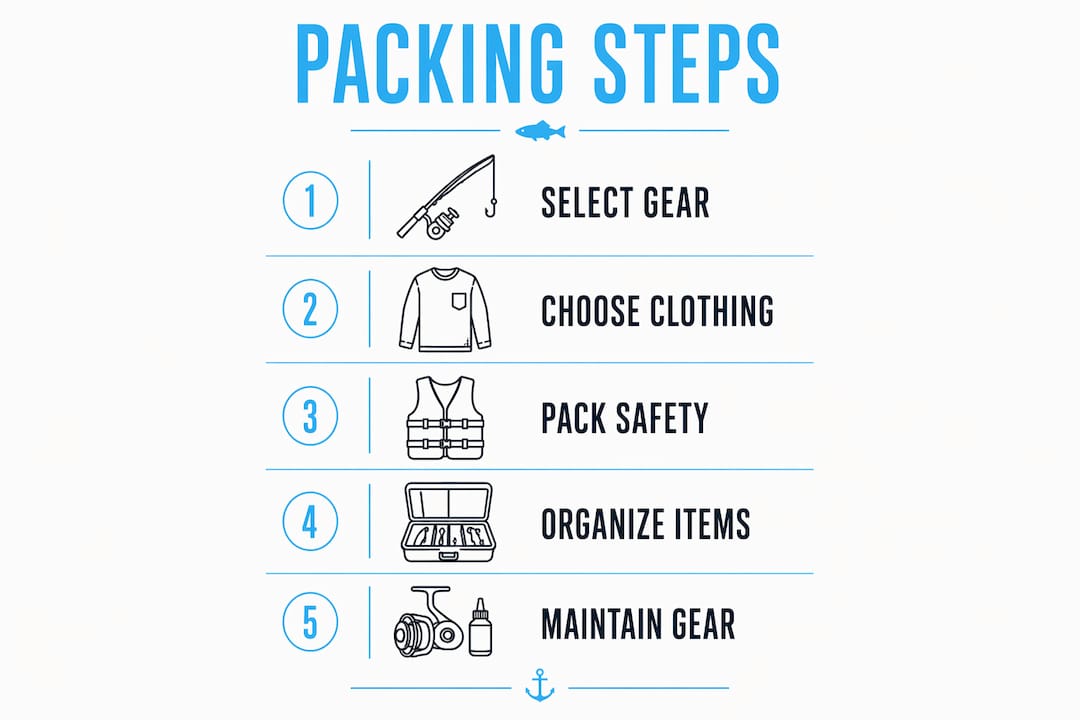
Key Takeaways
Smart weekend fishing trip packing means choosing one versatile rod setup, a compact tackle box, layered clothing, and targeted safety supplies matched to your specific water type and weather.
| Point | Details |
|---|---|
| Limit rod and reel setups | One rod and one spinning reel keeps your pack light and setup fast. |
| Pack a minimal tackle box | Bring only hooks, sinkers, two or three lures, pliers, and spare line. |
| Layer your clothing | A base layer, fleece, and shell cover most weather conditions without bulk. |
| Prioritize safety supplies | A first-aid kit, duct tape, insect repellent, and a power bank handle most emergencies. |
| Maintain gear after every trip | Rinse metal tackle, dry thoroughly, and store in airtight containers to prevent rust. |
What I’ve learned from packing light on the water
The biggest mistake I see weekend anglers make is packing for every possible scenario instead of the most likely one. You end up hauling a 40-pound bag to a calm lake where a 10-pound sling pack would have done the job. That extra weight kills your mobility and your mood by noon.
The best trips I’ve had came from choosing calm, familiar water and bringing a kit I could carry at a jog. When you know your spot and your gear, you fish with confidence. You’re not second-guessing your setup or digging through a cluttered bag for a hook you may or may not have packed.
My personal rule: if I haven’t used something on the last three trips, it doesn’t come on the next one. That rule has trimmed my weekend kit down to what actually works. The water environment matters too. Still water versus moving water demands completely different gear, and packing without that distinction leads to failure or safety risks. Adapt your list to where you’re actually going, not where you might go someday.
Experiment with your packing list over a few trips. What works for a coastal pier in july is different from a PNW river run in october. Build your own short list, test it, and cut what doesn’t earn its weight.
— Nick
Gear that’s built for the way you fish
Weekend anglers who pack smart deserve gear that performs when it counts. Highclasstackleco builds tackle for real fishing conditions on the West Coast, from salmon rivers to saltwater flats.
The terminal tackle collection covers everything you need for a compact, effective weekend kit: hooks, components, and terminal gear designed to fit neatly into a small tackle box without wasted space. For anglers who want a full lineup of premium flashers, blades, and apparel built for the Pacific Northwest, the main tackle store has you covered. If you’re shopping for a fellow angler, a digital gift card lets them pick exactly what fits their kit.
FAQ
What is the most important item on a fishing packing list?
A compact tackle box with hooks, sinkers, a few lures, pliers, and spare line covers the core of any fishing trip. Add a first-aid kit and you’ve covered both fishing and safety needs.
How many rods should I bring on a weekend fishing trip?
One rod and one spinning reel is the right number for a short trip. A single setup keeps your pack light, reduces setup time, and forces you to fish with focus.
How do I protect electronics on a fishing trip?
Store your phone and power bank in a waterproof case or dry bag. Keep the power bank fully charged before you leave, since remote locations rarely offer a backup charging option.
What food should I pack for a weekend fishing trip?
Lightweight, high-calorie snacks like trail mix, jerky, and energy bars work best. Pair them with an insulated water bottle and you stay fueled without needing a cooler.
How do I prevent rust on fishing tackle after a trip?
Rinse all metal tackle in fresh water immediately after use, dry it thoroughly with a soft cloth, and store it in an airtight container with a silica gel packet to absorb residual moisture.
Recommended
- Types of Fishing Lifestyle Apparel: The Angler’s Style Guide – High Class Tackle Co.®
- 360 Flasher Guide for PNW Salmon and Steelhead – High Class Tackle Co.®
- Super Bait Secrets: Top Picks for Salmon and Steelhead – High Class Tackle Co.®
- Great Lakes Salmon Gear Differences: 2026 Angler’s Guide – High Class Tackle Co.®
0 comments